
United They Stand
But fan owned FCUM are facing big decisions

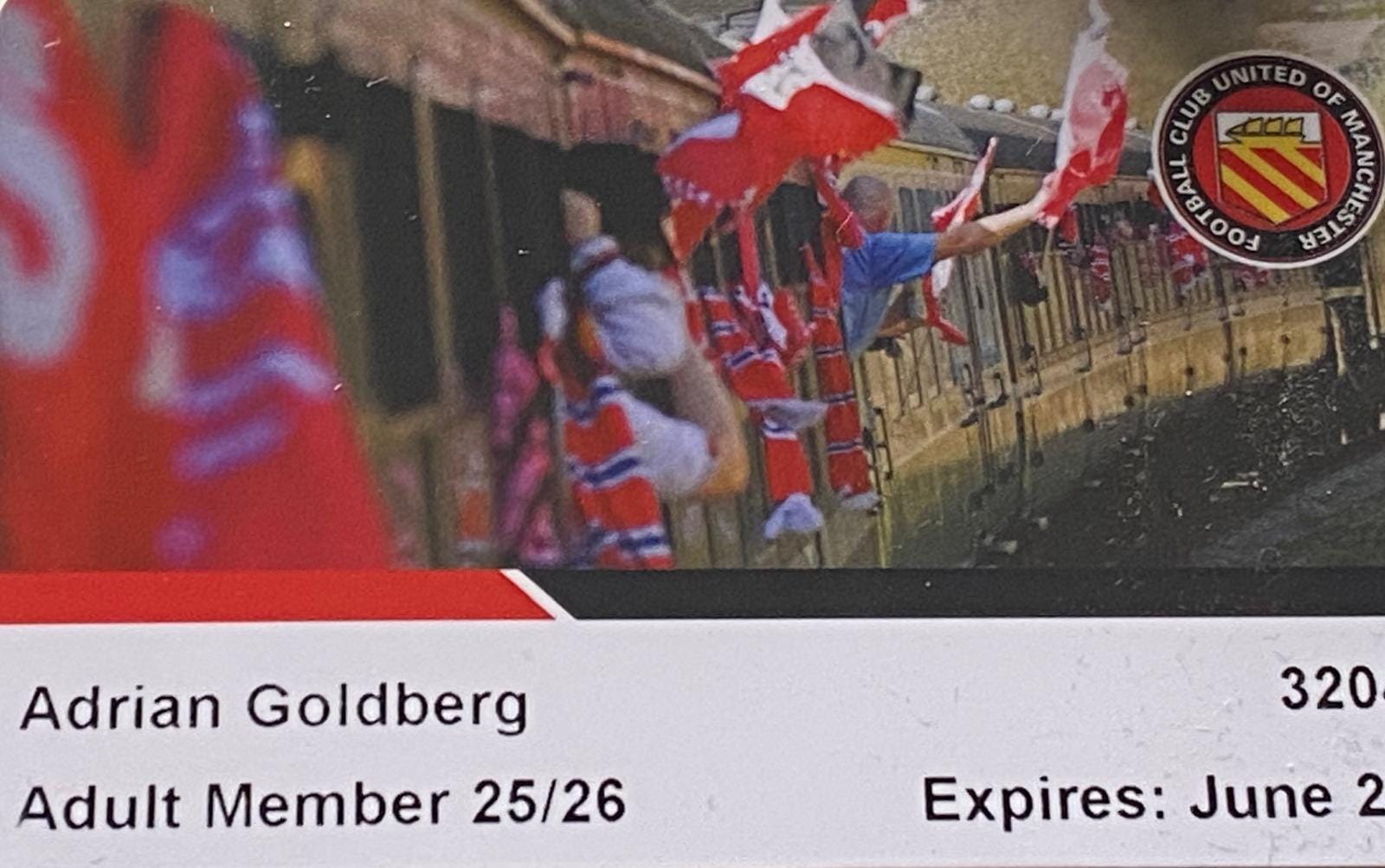
In the latest draft for my forthcoming book, ‘Confessions Of A Football Club Owner’, I reflect on some tough decisions ahead for FC United.
Unlike most fan-owned football clubs, FC United of Manchester wasn’t born out of necessity; its creation, in 2005, was a choice. Or rather, a volcanic eruption of pent-up anger and frustration, laced with a spirit of rebellion. Despite supporting Manchester United, one of the most successful and glamorous teams in the world, the founders of FCUM had simply had enough. Enough of being dicked about by ever changing kick off times to suit TV schedules; enough of being taken for granted by opposition clubs who would charge them premium prices for away games; enough, most of all, of being taken for fools by the US-based Glazer family, who employed a Wall Street-style leveraged buyout to assume control at Old Trafford in 2005, which meant supporters were literally paying the price of the Americans’ ownership. These fans were the victims of United’s success.
They could simply have gone along with it and enjoyed the ride; tens of thousands did. In the decade after FCUM broke away in 2005, Manchester United continued its steady accumulation of trophies, winning another five Premier League titles, two League Cups, the Champions League and the Club World Cup. FCUM, meanwhile, were scrapping it out in the semi-pro ranks, after starting life in the lower reaches of the North West Counties League. They enjoyed numerous promotions in the years that followed, but that wasn’t really the point. The aim was to preserve a degree of non-commercialised purity - a point of difference - in a football ecosphere increasingly dominated by money. It was about asserting the primacy of supporters inside the stadium over the demands of a globalised telly audience; and about rejecting the prawn sandwichification of a sport which had emerged from the working classes. If it hadn’t been so richly abused elsewhere, the phrase “taking back control” would have been apt.
That’s why tonight’s FCUM Annual Meeting is so important. Members - of which I’m one - will get to vote on a series of resolutions which would have been unthinkable in the club’s early days. These include proposals to sell naming rights for their Broadhurst Park Stadium and its individual stands, as well as sponsorship of shirt sleeves and training kit. Fans will decide whether to pay TV subscription fees for channels showing live sport - the same kind of channels which helped provoke the FCUM rebellion in the first place. Annual membership is likely to soar from £25 to £60.
These suggestions have not emerged on a whim. FCUM remains 100% supporter owned and its board has engaged on a painstaking process of engagement, emerging from its ‘Growing The Pie’ survey, which examined how to grow revenue. This is essential, as the club seeks to move up from the Northern Premier League, as well as sustaining junior sides and developing the women’s team.
In other words, fan ownership has collided with financial reality; and while some of the old guard may quibble, the Board takes the view that FCUM can’t be an entirely backward looking enterprise. Remembering where the club came from is important; but safeguarding its future is vital too.
My latest book, ‘Where’s The Money Gone? The Battle For The Soul of English Football’ is available now.
Please consider taking out a subscription to support my next book, Confessions Of A Football Club Owner, where I’ll be buying a stake in as many fan-owned clubs as I can and telling their stories.